Lower Cooling Costs and Extend Roof Life
Energy efficient and ventilation solutions in Hutto for hot attics, high utility bills, and moisture accumulation
McEntee Construction installs ventilation systems when your attic reaches temperatures above 150 degrees in summer, your air conditioner runs constantly without cooling the home effectively, or you notice condensation and mold on attic rafters during cooler months. You need airflow that pulls hot air out through ridge or gable vents and draws cooler air in through soffit vents, creating a continuous cycle that regulates temperature and humidity. The crew calculates the required ventilation area based on attic square footage, then adds or upgrades intake and exhaust vents to meet building code ratios.
Proper ventilation prevents heat from building up under the roof deck, which reduces the load on your HVAC system and lowers monthly energy costs. In Hutto, where summer temperatures stay above 95 degrees for weeks, an attic without adequate airflow can add hundreds of dollars to cooling bills and cause shingles to deteriorate faster from prolonged heat exposure. The system also prevents moisture from condensing on cold surfaces in winter, which stops mold growth and wood rot before they compromise structural framing.
If your attic feels like an oven in summer or you see mold on rafters, contact McEntee Construction to assess your ventilation needs and install a system that improves comfort and efficiency.
How Ventilation Systems Improve Performance
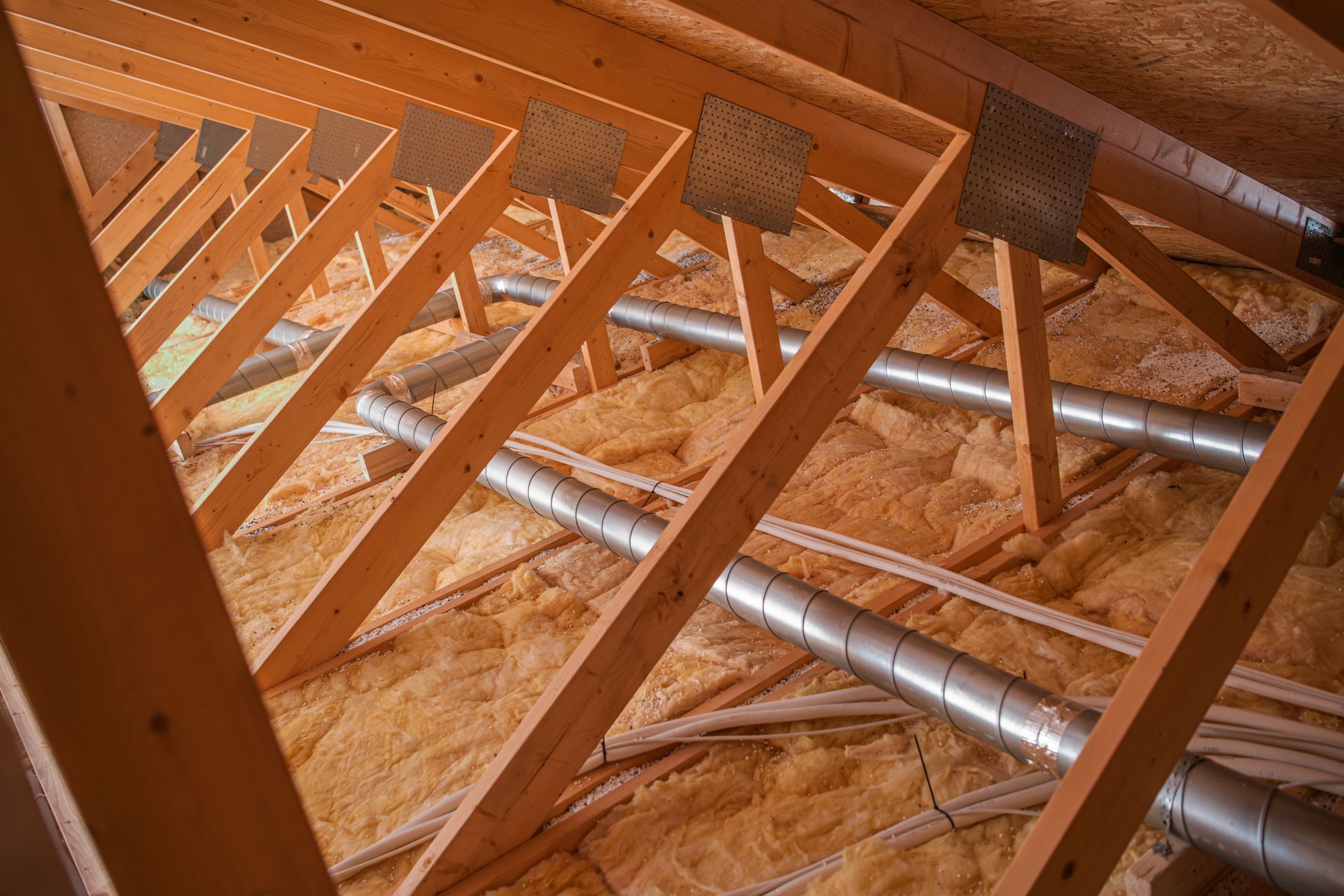
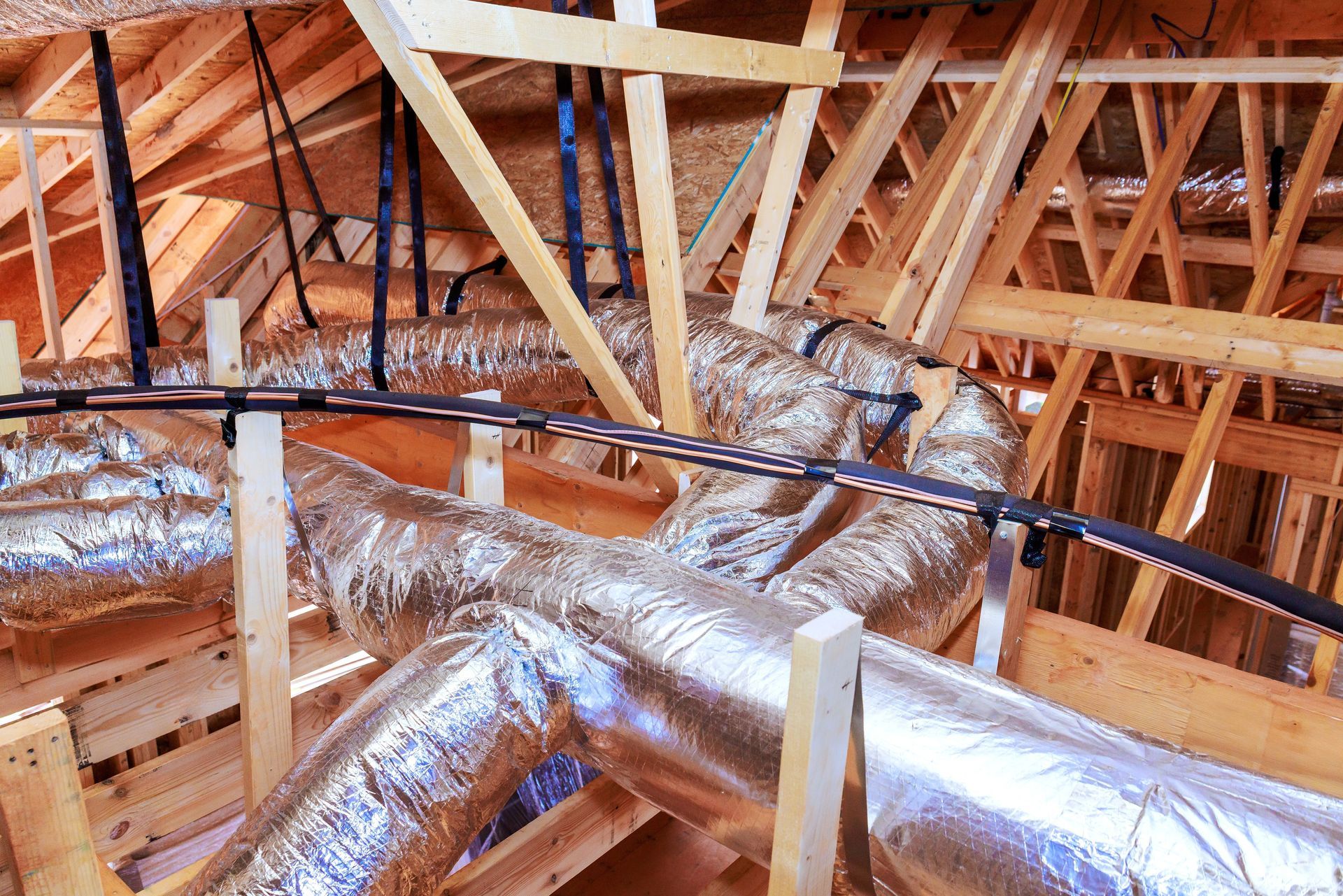
The crew inspects existing vents to determine if soffit intakes are blocked by insulation, if ridge vents are installed without corresponding intake area, or if gable vents are too small for the attic volume. They cut openings for new soffit vents, install baffles to keep insulation away from the roof deck, and mount ridge vents or powered exhaust fans that move air out at the peak. Each component is sized and positioned to create balanced airflow that prevents hot spots and moisture pockets.
After installation, your attic temperature drops closer to outdoor ambient levels, your air conditioner cycles less frequently, and your energy bills decrease. McEntee Construction ensures that intake and exhaust areas match the recommended ratio, so air moves through the attic without stalling or reversing. You will not see condensation forming on nails or rafters, and your insulation stays dry, which maintains its thermal resistance and prevents mold from spreading through the attic space.
The installation includes vents, baffles, and mounting hardware, but does not include insulation upgrades or HVAC duct sealing. If your attic has insufficient insulation or leaking ducts, the crew can recommend those improvements separately to maximize energy savings. Most ventilation upgrades finish in one to two days depending on attic access and the number of vents being added or replaced.
Questions About Ventilation and Energy Efficiency
Homeowners often ask how ventilation affects cooling costs and what signs indicate an attic needs better airflow.
- What types of vents work best for attics in Hutto? Ridge vents paired with soffit intakes provide continuous airflow along the entire roof peak, while powered attic fans offer active exhaust for larger attics or homes with limited ridge length.
- How does ventilation reduce energy costs? Cooler attic temperatures reduce the heat load transferred to living spaces below, which means your air conditioner works less to maintain indoor comfort and uses less electricity each month.
- When should I add ventilation instead of just more insulation? You should add ventilation if your attic temperature exceeds outdoor temperature by more than 20 degrees, because insulation alone cannot prevent heat buildup without adequate airflow to carry it away.
- Why does moisture form in my attic during winter? Warm, humid air from your home rises into the attic and condenses on cold roof decking when ventilation is insufficient to expel it, leading to mold growth and wood deterioration over time.
- How do you calculate the right amount of ventilation for my home? McEntee Construction uses the attic square footage and applies the building code requirement of one square foot of net free ventilation area per 150 square feet of attic space, split evenly between intake and exhaust vents.
McEntee Construction installs ventilation systems that regulate attic temperature, reduce cooling costs, and prevent moisture damage to your roof structure. Schedule an assessment to see how improved airflow can lower your energy bills and extend the life of your roof.